Plain-language energy guides for Irish households O'Connell Street Lower 37, Y35 Wexford
Fieldprosummitlu
How Electricity Works in Ireland: The Path From Grid to Socket
A plain-language guide tracing electricity from the national grid through your meter to the appliance, covering what you can and cannot control.

How Electricity Works in Ireland: The Path From Grid to Socket

Electricity arrives at your home through a chain that most households never see. The grid in Ireland feeds power from generation stations—wind farms, gas plants, and interconnectors—into a high-voltage transmission network, then down through local substations to the low-voltage lines that reach your meter. That meter records kilowatt-hours, the unit you are billed for. The tariff you are on (or could switch to) shapes what each kilowatt-hour costs, but the physical delivery is the same for everyone on the same local network. Understanding this path matters because it tells you where your bills come from and where they might change. A household that uses 4,200 kWh per year on a standard tariff will pay a different amount than one on a time-of-use plan, even if the electricity itself is identical. The choices you can make—appliance efficiency, usage timing, tariff selection—are decisions about cost and consumption, not about where the electrons travel. This page explains the grid's role, what meters measure, and how tariffs are structured in Ireland, so you can make informed decisions about your household electricity use.

What you get
The physical flow from generation to household socket
What you get
What the electricity meter actually records
What you get
How Irish tariffs are structured and where costs come from
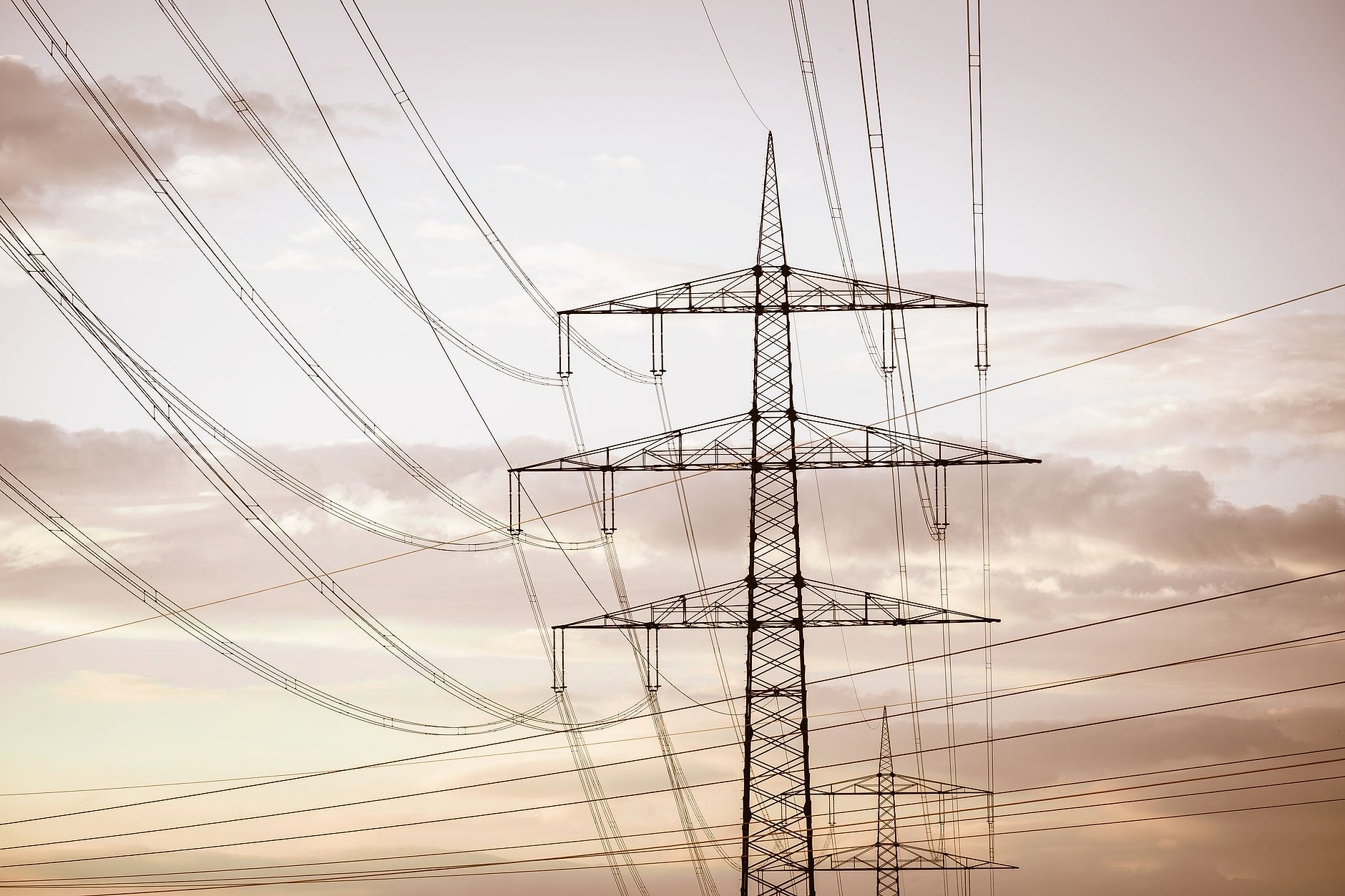
Illustration of an electricity grid connecting generation stations to homes in Ireland
Article notes

The Irish electricity grid: generation to distribution

Ireland's grid is managed by EirGrid, which balances supply and demand across the island. Generation comes from a mix of wind, natural gas, and interconnectors with Britain and France. The transmission network carries power at high voltage to regional substations, where it steps down to the low-voltage lines feeding your street. This infrastructure means your electricity has traveled a specific physical path, even though it looks like it simply comes from the wall. If you want to understand your bill, this chain is the starting point.

Article notes

What your meter measures—and what it does not

Your electricity meter records kilowatt-hours (kWh), the total energy consumed. It does not measure power quality, grid losses, or generation source. A common misconception is that meters can tell you when you used energy, but standard meters only record total consumption. Multi-register meters can track day and night usage separately. Understanding this distinction is useful when comparing tariffs or evaluating whether a time-of-use plan could benefit your household.

Article notes

Tariffs, standing charges, and the structure of your bill

Your bill includes a unit rate (per kWh), a standing charge (fixed daily cost), and sometimes VAT. Irish suppliers offer different tariff structures: flat rate, time-of-use, or control-of-use. A household that uses most electricity in the evening may benefit from a different tariff than one with all-day usage. The trade-off is clear: time-of-use tariffs can lower costs if you shift usage, but they require planning. Always check the unit rate and standing charge separately—some tariffs look cheaper but have higher fixed costs.

Related articles
A plain-language guide tracing electricity from the national grid through your meter to the appliance, covering what you can and cannot control.
Articles

A practical breakdown of heating systems, efficiency ratings, and realistic expectations for reducing energy consumption in Irish homes.

Read article
Contact

Keep reading

These guides are updated regularly as energy markets and systems evolve. We do not offer sales or consulting—just plain language information. Plain-language energy guides for Irish households

+353 85 019 2429 help@fieldprosummitlu.top
O'Connell Street Lower 37, Y35 Wexford